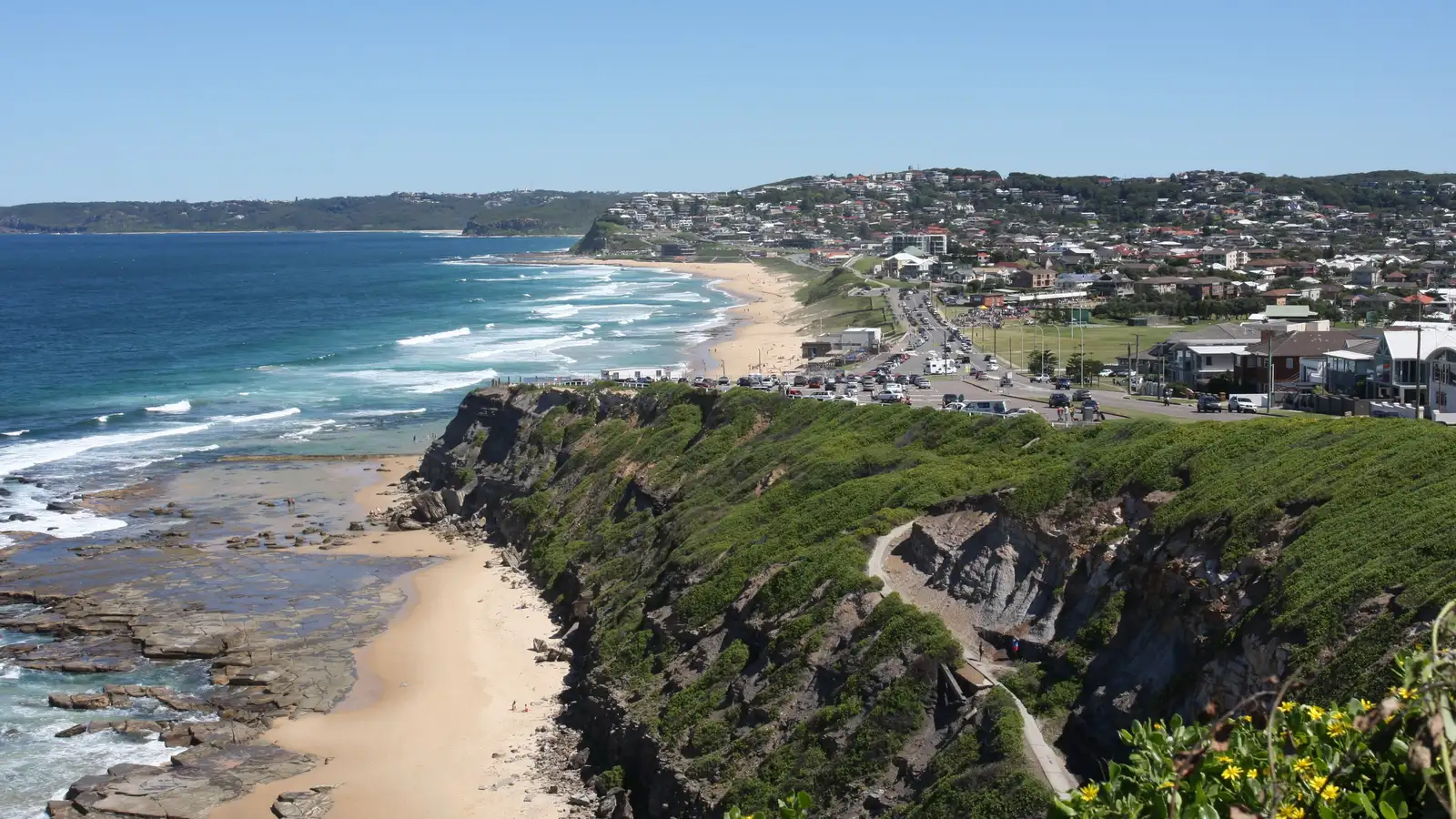
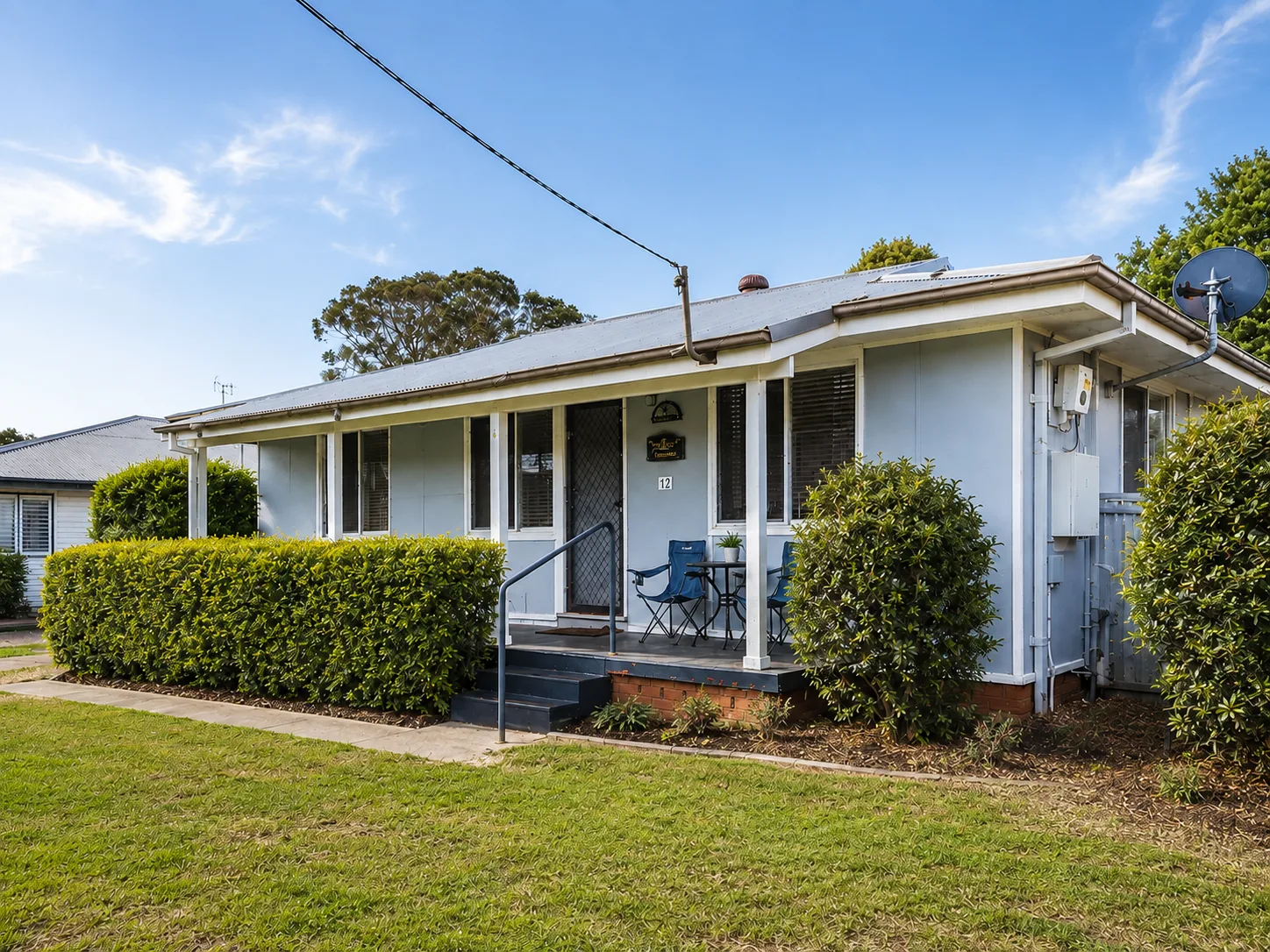
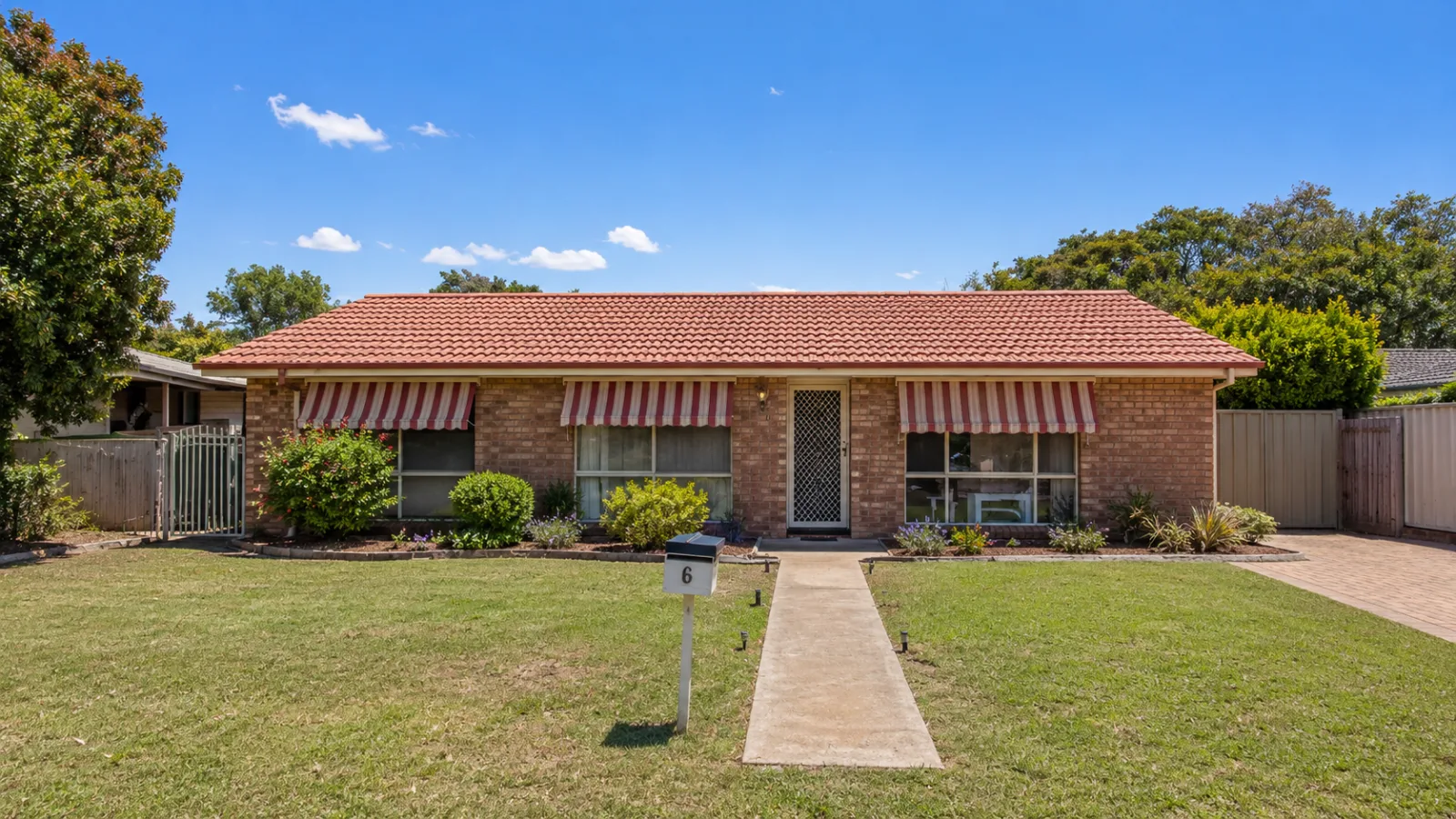
Buyers Agent Newcastle
Cardiff and Wallsend are a thousand dollars apart on price and read 0.22% and 1.60% vacancy. We measured ten Newcastle house markets, and price turned out to be the weakest guide to any of them.
Investment-Only Buyers Agents
Merewether, the dearest of the ten Newcastle markets we measured at $2,100,000, is the only one that went backwards over twelve months, down 4.55%. It also pays the weakest yield at 2.39% and takes 51 days to sell, the slowest of the ten. Cardiff costs $885,000, computes to 3.95%, clears in 14 days and sits behind 0.22% vacancy. Same city, and the affordable end is holding the numbers up.
Every yield here we worked out ourselves, weekly rent times 52 over the median, so a card reconciles against itself. Australian Property Experts buys investment property and nothing else, on one flat fee, with nothing paid to us by developers or selling agents. Peter Ly started the business, holds 17+ properties and has bought 250+ for clients in every state. Our list of the best suburbs to invest in Newcastle for 2026 goes wider than the six below.
Newcastle spreads from an $884,000 median to a $2,100,000 one across ten suburbs, and the return falls as the price climbs. Reading that gradient is most of the job here, and a listing photo will not show you any of it.
Five parts of a Newcastle purchase that turn on reading the price gradient rather than the city average:
Cardiff's $885,000 median and Wallsend's $884,000 median are $1,000 apart. Postcode 2285 read 0.22% vacancy in July 2026 and postcode 2287 read 1.60%, which is roughly seven times as much empty stock behind the same money. Wallsend is the affordable pick of the two by a thousand dollars, and it comes with the looser rental market of the pair.
The ten markets compute from 3.95% at Cardiff down to 2.39% at Merewether, and the order is close to the price order reversed. Cardiff and Wallsend are the two lowest medians of the ten and the two strongest yields of the ten. New Lambton and Merewether are the two dearest and the two weakest. That is a 1.56 point spread, which is wide enough to change what a purchase costs you to hold every month.
Vacancy rose in six of the ten postcodes between the April and July 2026 readings, eased in three, and held at 1.02% in Hamilton. The direction matters as much as the level, and it is not the same across the city.
Most people who call us about Newcastle are buying it from somewhere else, usually Sydney. Somebody still has to stand in the house, read the building and pest report, argue about the price and hold the settlement together. That work moves to us, you see every figure we see, and the weekends stop disappearing up the M1.
Your fee is the only money on the deal. No developer, project marketer or selling agent puts anything our way, which is the reason we have never had a reason to steer a client into new stock. An agent carrying a project on their books has that reason every day of the week.
Ten house markets were measured and six are shown here, from the affordable end to the premium end that fell. Each yield is computed rather than quoted, so a card's median, rent and yield check against each other in one line of arithmetic. A published yield that flatters a suburb is usually a median and a rent read months apart. The trade underneath all of this is covered in our piece on capital growth against rental yield, and the wider argument in affordable against blue-chip property.
Pays better than anything else we measured, behind the tightest postcode we measured, and houses here are gone in a fortnight. What it does not do is grow fast: 8.59% puts it seventh on the year. You are buying the rent, not the run.
The cheapest way into Newcastle, and the busiest market here at 219 sales. The rental side is where it gives back. Postcode 2287 read 1.60% in July, up from 1.36%, which is third loosest of the ten.
Nothing in Newcastle had a better year, 15.47%, and 213 houses traded to prove it was not a handful of sales moving a median. Its postcode eased slightly to 0.65%, still the third tightest of the ten.
Never top of any column and never near the bottom of one either, which is its own kind of recommendation. The thing to watch is the rental market: 2304 went from 0.78% to 1.06% between April and July.
9.97% a year over five years is the longest run of anything here, and 14.59% over the last twelve says it has not stopped. All of it is in the price. You pay $1,335,000 to get in and collect 2.96% while you wait.
The one that went backwards. Merewether fell 4.55% over the year while every other market here rose, and it takes 51 days to sell a house at a $2,100,000 median that returns 2.39%. Its postcode loosened too, 1.05% to 1.25%.
Same arithmetic applied to the four we have not carded. Waratah pays third best of the ten. Hamilton had the quietest year of the nine markets that rose at all.
Tightest to loosest, against the April reading. Six rose, three eased and one held.
Lambton is the reading that stops a lazy shortlist. It grew 9.77% and holds the second best five-year average of the ten, and it sits behind the loosest postcode of the ten at 3.41%, rising. Growth history and tenant demand are not the same question, and a page that only showed you the growth column would look a lot tidier than the market actually is.
The Newcastle CBD suburb record rests on a handful of house sales across twelve months. That is too thin to price anything against, so it is not shown here and nothing is quoted from it. Off-the-plan stock and anything routed through a project marketer are out on principle, and so is a premium median bought on the assumption that premium always holds.
We buy established investment properties only. What decides one is whether the tenant demand holds and whether the price still has room in it.
How It Works
Our buyers agent Newcastle process runs to six steps, and none of the order changes between an $884,000 house and a $2,100,000 one.
You tell us the goal, what the bank will lend and when you want to be holding keys. If Newcastle is the wrong market for that, you hear it here and not after an invoice.
Structure, budget and objectives get set once you engage us, then read against the ten markets one postcode at a time. Wallsend at $884,000 behind 1.60% vacancy and Cardiff at $885,000 behind 0.22% are a thousand dollars apart on price. They are nowhere near that close on tenant risk, and the brief has to say which of the two you are buying and why.
Public listings and our off-market network get worked together across Newcastle and Lake Macquarie. Three to five candidates inside two to four weeks is the usual shape of it.
Everything on the shortlist gets building and pest inspections, comparable sales analysis, and rental appraisals. The appraisal is then read next to the vacancy in that postcode, because a rent that holds at 0.22% will not necessarily hold at 3.41%.
Comparable sales set our number, not the price guide. Merewether losing 4.55% on a $2,100,000 median is the standing reminder that a premium postcode is not a floor. We will pay what the evidence supports and stop there.
From acceptance your conveyancer, mortgage broker and property manager get held to one set of dates, so what arrives at the end is keys and a signed lease.
Typical timeline: engagement to settlement lands somewhere between 6 and 12 weeks, and finance approval plus the wait for the right house takes most of that.
People hire a buyers agent Newcastle for different reasons, and the brief changes with each of them.
Sydney's median dwelling value was $1,244,617 at 31 July 2026. Wallsend's house median is $884,000, which is why a lot of first calls to us start with a Sydney postcode and end with a Hunter one.
Cardiff at 3.95% is the best the ten offer, and it is worth knowing that before you fall for a dearer postcode paying 2.39%.
A 0.22% postcode and a 3.41% one look the same in a set of listing photos, and the second one is where a first purchase quietly goes wrong. You get told what we ruled out and the reason, not only what made the shortlist. Most of the guidance on a first purchase is about what to walk past.
The money is there and the calendar is not, so searching, inspecting and negotiating sit on our side of the line.
Buying through a Self-Managed Super Fund or a family trust means the structure has to be standing before contracts move. NSW has its own bare trust wording to get right. We time that against the contract dates rather than chasing it afterwards. Since 10 August 2026 an SMSF can no longer borrow to buy residential property, so a fund purchase now has to come from the balance you already hold.
You already hold several and you are adding a NSW position with a yield that carries itself. Cardiff and Wallsend are the two that tend to fit that slot, and the order of purchases matters as much as the pick.
Your Buyers Agent
Founder and Principal Buyers Agent
Peter came out of nearly a decade in banking and finance. The habit that stuck is checking a number back to where it was published before he repeats it, and most of this page exists because of that.
He does not put a property in front of a client that he would not hold himself. The portfolio behind that runs across houses, townhouses and units in several states, and it has been held through a full cycle. That is what the guidance is built on.
His interest in Newcastle is the shape of the price gradient rather than the city average. The two lowest medians of the ten pay the two strongest yields of the ten and clear in 17 days or fewer. One of them sits behind the tightest postcode in the set. That combination is unusual and it is the reason Newcastle stays on the shortlist.
His caution is the top of the market and the vacancy trend under all of it. Merewether fell 4.55% over the year on a $2,100,000 median, paying 2.39% and taking 51 days to move, while its postcode loosened from 1.05% to 1.25%. Six of the ten postcodes rose between April and July. Growth here runs only to 31 May 2026, so nothing after that date is on this page.
Based in Sydney, buying Australia-wide. Newcastle clients are worked with remotely, with inspections attended on the ground.
One flat fee, agreed before the work starts, with none of it charged as a percentage. The alternative prices off the purchase instead. Sydney's median dwelling value was $1,244,617 at 31 July 2026, so 2% of it comes to $24,892 plus GST. That is the quote a lot of Newcastle buyers were staring at before they looked north.
Inside Newcastle the same percentage does something harder to defend. Two per cent of Merewether's $2,100,000 median is $42,000 plus GST. Two per cent of Wallsend's $884,000 median is $17,680 plus GST. Both are computed on a suburb median rather than a city median. The gap is $24,320 for the same search, the same inspections and the same negotiation.
Our number follows the scope of the work instead, so the price of the house never moves it. Nobody but you pays us, which keeps a $42,000 incentive off our side of the table. One fee covers the strategy session, the on and off-market search, inspections we attend for you, full due diligence coordination, the negotiation and the run through to settlement.
The third-party costs sit outside that number, so building and pest, your conveyancer and your mortgage broker bill you directly. Our buyers agent fees guide runs the same arithmetic for every capital.
A buyers agent Newcastle investors are weighing up should answer three questions without hesitating. Is the fee a fixed number or a slice of the price? Does it move if the price moves? Is anybody other than you paying them on this deal? Two more checks are worth making on top. NSW is its own licensing jurisdiction, so confirm the licence and the professional indemnity cover behind it. REBAA membership is a reasonable baseline as well.
Flat Fee Pricing
One residential purchase in Newcastle, Lake Macquarie or the wider Hunter, taken from the strategy session through the search, the due diligence, the negotiation and settlement.
Flat Fee Pricing
SMSF purchases, family trusts, company structures, or a property where subdivision potential has to be assessed. The number carries the extra due diligence and the specialist coordination those bring.
Flat Fee Pricing
Volume pricing applies from the second purchase onward, and we sequence them so the borrowing capacity from one carries the next.
The number does not shift if the right house turns out to be a $2,100,000 one rather than an $884,000 one. Our case studies show what clients have actually bought.
Anyone shortlisting Newcastle usually has Sydney and the Central Coast on the same page, and the case for it is not the same in every part of the city.
Each suburb yield here we calculated ourselves, and the median and rent printed next to it are enough to check the arithmetic. We never repeat a published yield, because the median and rent behind it are read to different months and will not reconcile. Where a sample is too thin to price against, the suburb is left off rather than dressed up.
Two NSW client purchases from the case studies we publish, both settled in January 2026 and revalued two months later.
Past performance is not a guarantee of future results, and property values can fall as well as rise.
Still deciding whether this purchase belongs in Newcastle at all? As an investment property buyers agent we work in every state. A shortlist here is built from what the tenant market and the price will carry, not from the postcode. In NSW we also buy on the Central Coast and in Sydney.
Worth a read before a call.
Get Started
A 15 minute call to understand your goals, your budget, and whether Newcastle is the right market for what you're trying to build.
A buyers agent holds a licence to find, assess and negotiate a property for the person buying it. The agent whose name is on the sign has been engaged by the owner and is paid to lift the price. Ours is the opposite seat at the same table, and everything from the shortlist to the final counter runs the other way.
Six to twelve weeks from engagement through to settlement is the normal range. Two to four of those weeks tend to go on the search itself, with finance approval and the settlement period taking the rest. Something already sitting in our off-market network shortens it. An SMSF or trust purchase lengthens it, because the structure has to be in place before contracts move.
Yes. Established investment properties are the whole of what we buy, and we do not take on owner-occupier searches. A property is judged on whether tenants want it, on what the rent covers of the monthly cost, and on whether any growth is left in the price. Whether anyone would enjoy living in it is not part of the assessment.
We charge one flat fee, agreed before the work starts and set by its scope, so the price of the house does not move it. A percentage does. Two per cent of Merewether's $2,100,000 median is $42,000 plus GST, against $17,680 plus GST on Wallsend's $884,000, for the same work. Both are computed on a suburb median, not a city median. Nobody other than you pays us, and third-party costs bill you directly.
Price is the first thing to look past. Cardiff at $885,000 and Wallsend at $884,000 are a thousand dollars apart, and their postcodes read 0.22% and 1.60% vacancy in July 2026. Cardiff pays the best computed yield of the ten markets we measured at 3.95% and clears in 14 days, but ranks only seventh on twelve-month growth at 8.59%. Wallsend is the lowest median of the ten and the busiest at 219 sales. Charlestown had the strongest year at 15.47%, and Merewether is the dearest at $2,100,000 and the only one of the ten that fell. Growth figures stop at 31 May 2026.
Data sources: suburb medians, twelve-month growth, five-year average annual growth, sales counts and days on market are CoreLogic figures to 31 May 2026, accessed through Your Investment Property. Weekly rents are to 31 July 2026. Because those two dates differ, we do not quote a published yield. Every yield here is computed by us as weekly rent times 52 divided by the median, so it reconciles against the median and rent printed beside it. Postcode vacancy is SQM Research for July 2026, shown against the April 2026 reading. Sydney's median dwelling value is quoted at 31 July 2026 and matches the figure on our buyers agent fees page. All figures were pulled on 2 September 2026.