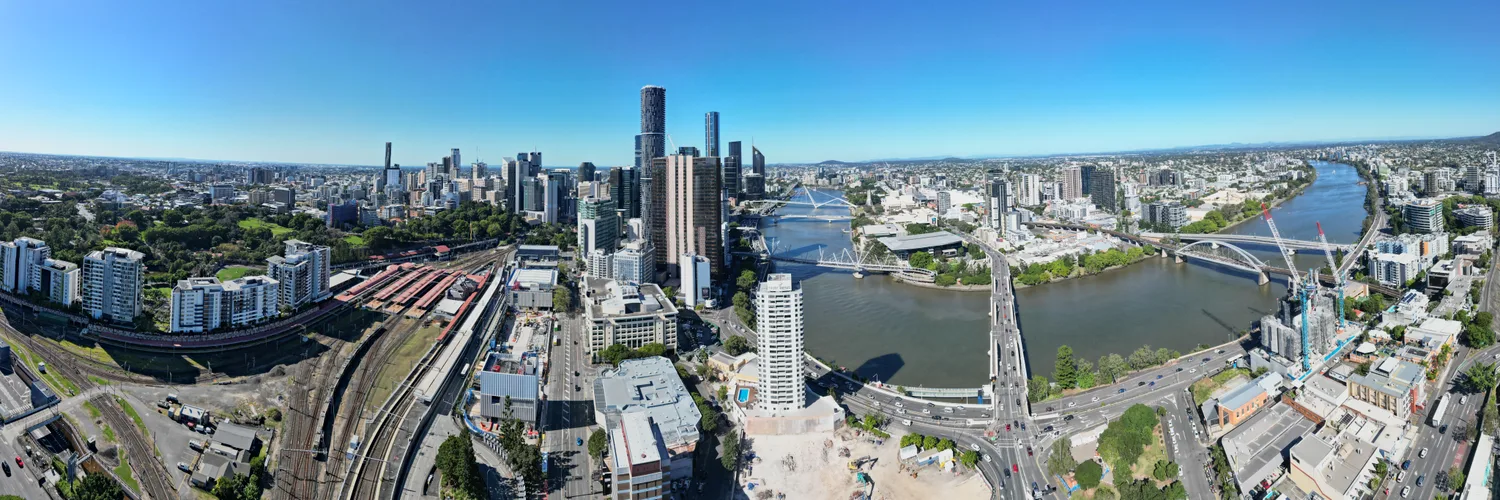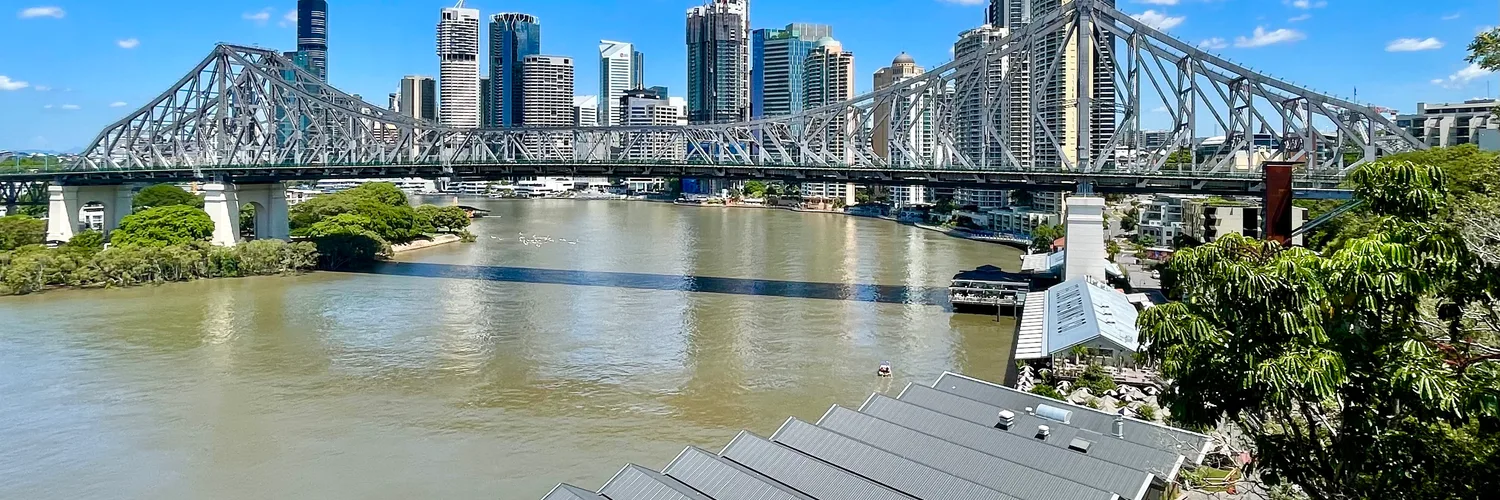
Brisbane’s median dwelling value is $1,080,142, up 10.8% over the year, on Cotality’s Home Value Index to 31 August 2026. That number puts some investors off, but there are two reasons it shouldn’t.
The first is that the median is skewed by inner-ring suburbs most investors aren’t buying in anyway. The seven house suburbs below sit in the Logan, Ipswich and Moreton Bay corridors. Their medians run from $830,000 to $960,000, with yields of 3.52% to 3.77%.
The second is that Brisbane’s run has turned. Values fell 1.0% in August and 2.7% across the quarter. The entry price is no longer moving away from you every month the way it was.
Cross River Rail is in testing and commissioning. First passenger services are expected in 2029. The 2032 Games venue program sits within a $7.1 billion funding envelope. Vacancy was under 1% in August in every outer-corridor postcode on this list. For forecasts and supply data, see our Brisbane property market overview.
Here are eight suburbs across four corridors. We picked them on median price, gross rental yield, vacancy rate, infrastructure pipeline and employment diversity. For a deeper look at how growth and yield work together, see our guide to capital growth vs rental yield.
Hillcrest
Median house price: $900,000 Gross rental yield (houses): 3.70% Median weekly rent: $640
Hillcrest sits in the Logan corridor, roughly 25km south of the Brisbane CBD. The median is $900,000, up from $775,750 a year earlier, and rent has risen from $600 to $640 a week over the same period.
Major employment runs along the M1 corridor, with Logan Hospital and established retail anchoring the local jobs market. Houses tend to be older brick and tile on 600sqm+ blocks. That leaves room to add value through a cosmetic reno now and possibly a granny flat down the track. The tenant pool is healthcare and logistics workers.
Cash flow is tighter than it was. With rents around $640 per week the yield is 3.70%, where 12 months ago the same rent maths gave about 4.0%. The growth trajectory has been strong, though. For investors who want an established house in the Logan corridor, Hillcrest remains one of the better options.
Springfield Lakes
Median house price: $930,000 Gross rental yield (houses): 3.77% Median weekly rent: $675 12-month growth: +16.98%
Springfield Lakes punches above its price point because the infrastructure is already built. The Springfield Central town centre has the Mater Private Hospital Springfield, Orion shopping centre and a University of Southern Queensland campus. That gives it its own jobs and services, so residents aren’t all relying on a commute.
The rail connection to the CBD via Springfield Central station is the advantage most similarly priced suburbs don’t have. Family renters keep demand steady. Even so, vacancy in postcode 4300 was 0.86% in August, level with the city.
Springfield Lakes has run hard. The $930,000 median has more than doubled over five years, from about $457,000 in mid-2021. Rents are $675 per week. The 3.77% yield is level with Redbank Plains for the best of the house picks. So you no longer give up yield to buy near Springfield’s hospital, shops and rail.
Strathpine
Median house price: $945,000 Gross rental yield (houses): 3.58% Median weekly rent: $650 12-month growth: +15.24%
Strathpine sits on the North Coast rail line, about 20km from the CBD. It has an established retail precinct in the Strathpine Centre and is close to the Prince Charles Hospital employment node. Trains run direct to the city.
On the north side, Strathpine gives you a good location at the cost of some cash flow. The median is $945,000 and rent is $650 per week, a 3.58% yield. Growth of 15.24% over the year has run ahead of rents, which rose more slowly, from $620 to $650 a week.
Established houses on larger lots in Strathpine typically attract families and longer-term tenants. Lower turnover means fewer vacancies and less wear.
Caboolture
Median house price: $882,000 Gross rental yield (houses): 3.71% Median weekly rent: $630 12-month growth: +17.60%
Caboolture is further out, roughly 50km north of the CBD. Rail and the Bruce Highway keep it accessible. Growth has been strong and double-digit recently, driven by buyers priced out of inner and middle ring suburbs.
Caboolture Hospital, the Morayfield shopping precinct and the surrounding industrial and logistics employers give it a diversified tenant pool. That pool is less dependent on CBD commuters.
There are two risks. It’s further from the CBD than most investors prefer. New supply in the Moreton Bay corridor could also create competition. But vacancy was 0.80% in August, just under the city’s 0.87%. The rent at $630 per week provides reasonable holding cost coverage at this price point.
Kippa-Ring
Median house price: $960,000 Gross rental yield (houses): 3.52% Median weekly rent: $650 12-month growth: +18.96%
Kippa-Ring is on the Redcliffe Peninsula. The peninsula got a major accessibility boost in 2016, when the Moreton Bay Rail Link (Redcliffe Peninsula Line) opened. That line fundamentally changed the suburb’s commuter profile.
At $960,000, Kippa-Ring is priced below neighbouring Redcliffe at $1,000,000, with a similar lifestyle and rail access. Its 3.52% yield is the lowest of the house picks. Growth has averaged 13.94% a year over five years. The latest year’s 18.96% is the strongest on this list.
For investors who want coastal proximity without the Gold Coast or Sunshine Coast price tags, the Redcliffe corridor is worth a close look. The gap is real. On the Sunshine Coast, Buderim’s median house is $1,402,500 and Maroochydore’s is $1,250,000, both yielding about 3.5%.
Crestmead
Median house price: $840,000 Gross rental yield (houses): 3.71% Median weekly rent: $600
Crestmead is in the Logan corridor, just south of Hillcrest. It offers the second-lowest entry point on this list for houses. At an $840,000 median it’s moved well past the sub-$600,000 days, but it still sits $60,000 below Hillcrest.
Crestmead is a yield play. Its strong blue-collar employment base is anchored by the Crestmead Industrial Estate, Logan Motorway access and proximity to both the M1 and Gateway Motorway. Rental demand comes from workers in the surrounding industrial and logistics zones. Vacancy in postcode 4132 was 0.57% in August.
Crestmead is a cheaper way into the Logan corridor than Hillcrest, as long as you pick your streets carefully. Buy on the right ones, avoid ex-housing commission stock and stick to brick or block construction on decent-sized lots.
Woolloongabba
Median unit price: $785,000 Gross rental yield (units): 4.77% Median weekly rent: $720 Infrastructure catalyst: Cross River Rail station, first services expected 2029
Woolloongabba is the only inner-city pick here. It’s a unit play rather than a house play, 2km from the CBD. The suburb is getting a new underground Cross River Rail station, one of four on the line along with Roma Street, Albert Street and Boggo Road.
The Gabba itself is not in the 2032 Games venue plan. Victoria Park gets the new Brisbane Stadium. The Games infrastructure authority says a new arena at the GoPrint site in Woolloongabba was separated from the Games plans in March 2025.
A unit at $785,000 with rents at $720 per week yields 4.77%, the strongest on this list. Supply is the risk. New apartments around the station precinct could eventually dilute rental demand. Vacancy in postcode 4102 was already 1.18% in August, above the city’s 0.87%.
But the Cross River Rail station is funded and will put the suburb on a direct underground line through the city. For unit investors, it is one of the better infrastructure-led buys in Brisbane.
Redbank Plains
Median house price: $830,000 Gross rental yield (houses): 3.77% Median weekly rent: $602 12-month growth: +18.57%
Redbank Plains sits in the Ipswich corridor, about 35km southwest of the CBD. Growth has been rapid. House values rose 18.57% over the past year. The median has risen 140% over five years, from $345,000 in mid-2021.
The Springfield-to-Ipswich corridor has been driven by affordability and improving infrastructure. Redbank Plains benefits from proximity to the Springfield Central hub and Ipswich CBD, with major retail and health services close by.
Rents of $602 per week on the lowest house median here give a 3.77% yield. For houses, that’s the best mix of yield and growth on this list. Redbank Plains is no longer the sub-$500,000 suburb it was in 2022. But vacancy in postcode 4301 was 0.64% in August. The rental demand is still there.
Which corridor fits your strategy
Brisbane’s investment corridors each suit a different investor profile:
Logan corridor (Hillcrest, Crestmead): Medians of $840,000 and $900,000, with a blue-collar tenant base anchored by industrial and logistics employment. Less glamorous, but rental demand is consistent.
Ipswich corridor (Springfield Lakes, Redbank Plains): Genuine infrastructure backing, rail connections and a self-contained employment hub. Redbank Plains offers the best mix of yield and growth on this list at 3.77%. Our Ipswich suburb guide tests all 31 Ipswich suburbs with 50 or more house sales.
Moreton Bay corridor (Strathpine, Caboolture, Kippa-Ring): North-side suburbs with rail access. Yields run from 3.52% to 3.71%. All three postcodes had vacancy under 1% in August.
Inner city (Woolloongabba): Unit play with the strongest yield on this list at 4.77%. Higher risk from future supply, but the new Cross River Rail station will make the suburb much easier to reach.
Brisbane’s median dwelling value is $1,080,142, but you don’t need that much to invest here. Medians on this list range from $785,000 (Woolloongabba units) to $960,000 (Kippa-Ring). The key is matching the right suburb to your strategy, budget and timeline.
Thinking about buying interstate into Brisbane? A Brisbane buyers agent who knows which streets within each suburb actually deliver for investors makes a real difference. That counts for more at this point in the cycle. You can see real client purchases on our case studies page.
This is general information only and not financial advice. Brisbane metro figures are from Cotality’s Home Value Index to 31 August 2026. Suburb medians and growth are CoreLogic data via Your Investment Property for the 12 months to 30 June 2026. Rents are to 31 August 2026, and vacancy is SQM Research for August 2026. Yields are the weekly rent times 52 over the median. Speak to a qualified professional before making investment decisions.
See how we find investment properties that stack up.
If you want to discuss which Brisbane suburbs fit your situation, book a free discovery call.