A building and pest inspection is the single most important piece of due diligence you do before buying an investment property. Budget $400 to $800 for a standard house. Skipping it to save money is one of the worst decisions you can make.
We review B&P reports every week as part of our buying process.
What the Inspection Covers
A building and pest inspection is a visual, non-invasive assessment of a property’s structure and condition, conducted under Australian Standards AS 4349.1 (building) and AS 4349.3 (timber pest). The inspector examines accessible areas only; they’re not pulling up floorboards or cutting into walls.
Building inspection covers:
- Structural integrity: foundations, load-bearing walls, beams, lintels
- Roof condition: tiles, flashing, gutters, downpipes, fascia
- Internal condition: walls, ceilings, doors, windows, wet areas
- External condition: cladding, brickwork, drainage, retaining walls
- Subfloor: stumps, bearers, joists, ventilation, moisture
- Roof space: framing, insulation, sarking, ventilation
- Site drainage and grading around the property
Pest inspection covers:
- Active termite activity (mud tubes, damage to timber, hollow-sounding wood)
- Evidence of past termite damage
- Conducive conditions (moisture, timber-to-ground contact, poor drainage)
- Timber borers, wood decay fungi
- Subfloor and roof space timber condition
The inspector doesn’t test plumbing pressure, electrical wiring, or appliances. Those are separate specialist inspections. For investment properties, the B&P covers the structural and pest risk, which is where the big money issues hide.
How Much Does It Cost?
Building and pest inspection costs vary by property size and location. Combined packages (building + pest together) usually cost less than booking them separately.
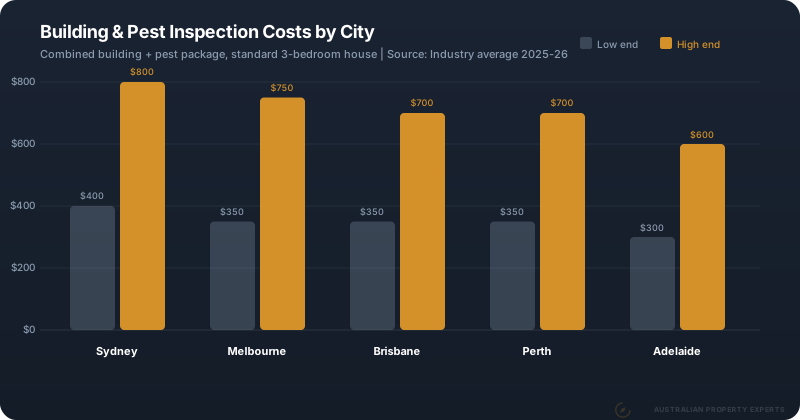
Typical combined B&P costs by city (our estimates, not survey data):
| City | Cost Range |
|---|---|
| Sydney | $400 to $800 |
| Melbourne | $350 to $750 |
| Brisbane | $350 to $700 |
| Perth | $350 to $700 |
| Adelaide | $300 to $600 |
| Regional areas | $250 to $500 |
Some smaller markets quote below $400, but $400 to $800 is the safer budget line. Larger properties, older homes, and properties with multiple outbuildings cost more because they take longer to inspect. Our middle estimate for a standard 3-bedroom house is $500 to $600.
Some inspectors charge extra for thermal imaging, which uses infrared cameras to detect moisture behind walls. It’s worth the add-on fee, especially where termites are a known local problem.
For a full breakdown of every cost involved in purchasing an investment property, use our upfront cost calculator.
Factor in inspection costs, stamp duty, and all upfront expenses to see your true investment position.
Use the calculator →
How to Read the Report
A B&P report is typically 30 to 60 pages long, filled with technical language and photos. Most people skim it. That’s a mistake.
Focus on these:
1. The summary page. Every report has one. It lists major defects, minor defects, and areas that need monitoring. Read this first, but don’t stop here.
2. Major defects. These are structural problems that affect the safety or liveability of the property, or are likely to require significant expenditure to fix. The report will flag these clearly. Examples: cracked foundations, significant roof damage, active termite damage, major drainage failure.
3. Minor defects. Maintenance items and wear-and-tear. Cracked grout, minor surface cracks, weathered paintwork, worn seals. Every property has minor defects. They’re expected, especially in older investment-grade properties.
4. Safety hazards. Non-compliant balustrades, missing smoke alarms, electrical hazards. Some of these need rectifying before a tenant moves in.
5. Limitations and inaccessible areas. The inspector will note areas they couldn’t access: locked rooms, furniture blocking walls, insulation covering roof framing. These are potential blind spots. If a critical area wasn’t inspected, ask about it.
6. Photos. Cross-reference the inspector’s comments with the photos. A crack described as “minor” in the text sometimes looks more concerning in the image, and vice versa.
Red Flags vs Minor Issues
Not everything in a B&P report is a deal-breaker. The skill is knowing which findings matter and which don’t.
Red flags (proceed with extreme caution or walk away):
- Active termite damage to structural timbers. This is the big one. Structural timber repairs are expensive, and you then pay for ongoing termite management every year
- Significant foundation movement. Diagonal cracking through brickwork, doors and windows that won’t close properly, uneven floors. Foundation repairs are expensive, so get a quote before you negotiate
- Major roof structure failure. Sagging ridgelines, broken trusses, widespread water ingress. A full roof replacement is a major cost, so get a written quote
- Significant water damage or rising damp. Ongoing moisture issues cause rot, mould, and attract termites. The source needs to be identified and fixed before the damage spreads
- Asbestos in poor condition. Asbestos is common in homes built or renovated before 1990. Intact and left undisturbed, it is not an issue for an investment property. Damaged or friable material is the exception, and it costs money to handle properly
Minor issues (normal for investment properties):
- Hairline surface cracks in render or plaster
- Worn or dated bathrooms and kitchens (you might reno these anyway)
- Minor drainage grading issues
- Weathered external paint
- Aged hot water system
- Tree roots near sewer lines (common, monitor it)
- Minor timber decay in fence posts or garden structures
Every property has issues. Older established properties, the kind that make the best investments, will always have more wear than a new build. Every report finds problems. What matters is whether they are structural, expensive or recurring.
How to Negotiate After a Bad Report
A B&P report that identifies significant issues gives you leverage.
Step 1: Get repair quotes. Don’t negotiate based on guesswork. Get a licensed tradesperson to quote the actual repair cost for any major items. A written quote carries far more weight than “the inspector said it needs fixing.”
Step 2: Decide what matters. Not every defect justifies a price reduction. Focus on items that are genuinely expensive, structural, or would affect your ability to rent the property.
Step 3: Present your case. Through your conveyancer or solicitor, present the inspection findings and repair quotes to the vendor. Frame it as factual, not emotional. “The inspection identified X, the repair quote is $Y, we’d like to adjust the price accordingly.”
Step 4: Be realistic. Vendors aren’t obligated to reduce the price. In competitive markets, they might tell you to take it or leave it. Factor that into your strategy.
Common outcomes:
- Price reduction matching repair costs
- Vendor agrees to complete repairs before settlement
- Split the cost, both parties meet halfway
- Vendor provides credit at settlement for the buyer to manage repairs
- No movement, buyer decides whether to proceed at original price
The report pays for itself many times over when it uncovers something real.
The B&P Clause in Your Contract
How the building and pest clause works depends on your state.
Queensland: The Queensland Government advises getting inspections done before you negotiate. If they happen after signing, you need terms in the contract that let you cancel on a poor report. The inspector must hold a current QBCC licence. The standard contract also carries a 5 business day cooling-off period, and the seller can keep up to 0.25% of the price if you use it. Auctions have no cooling-off period.
Victoria: In a private sale you can make the offer subject to a building or pest inspection. You also get three clear business days to cool off after you sign. At auction you can’t add conditions without the seller’s agreement, and there is no cooling-off period.
NSW: The NSW Government notes the building report is usually done before you exchange. A private sale then gives you a 5 business day cooling-off period, and pulling out costs 0.25% of the price. There is no cooling-off period at auction, so get the inspection done before auction day.
Western Australia: You add building and pest inspections as a special condition in the Offer and Acceptance. The condition’s own wording sets the timeframe and whether you can end the contract. Your settlement agent will advise on the standard wording.
The clause protects you. Never sign a contract without one, unless you’ve already had the inspection done (which is common at auctions).
When to Walk Away
Walking away from a property you’re emotionally attached to is hard. But sometimes it’s the right call.
Walk away when:
- Active termite damage to structural timbers with no clear history of treatment
- Foundation issues that require underpinning (costs can spiral)
- The inspector recommends further invasive investigation and the vendor won’t allow it
- Multiple major defects that together add up to a repair bill above roughly 5 to 10% of the purchase price
- The property has been previously patched up without addressing the underlying cause (cosmetic repairs hiding structural problems)
Don’t walk away just because:
- The report lists 20+ minor items (that’s normal for older properties)
- There’s evidence of past termite treatment (this means the issue was identified and managed)
- The property needs a new hot water system or has dated fixtures
- There are cosmetic cracks in plaster or render
- The report mentions “conducive conditions” for termites (most properties have some)
The report is a tool, not a verdict. Use it to make an informed decision, not to scare yourself out of a good investment.
Choosing an Inspector
Not all inspectors are equal. A bargain inspector who misses a major defect costs you far more than a thorough one who charges a premium.
What to look for:
- Licensed and insured (check they carry professional indemnity insurance)
- Conducts inspections to AS 4349.1 and AS 4349.3 (Australian Standards)
- Provides thermal imaging as standard or as an add-on
- Includes detailed photos in the report
- Willing to take your call after the inspection to walk through the findings
What to avoid:
- Inspectors recommended by the selling agent (conflict of interest)
- Anyone who provides a verbal-only report
- Inspectors who rush through in under an hour (a thorough inspection of a standard house often takes 2 to 3 hours)
If you’re buying interstate, your buyers agent or conveyancer can recommend inspectors in the area. If you’re weighing up that kind of help, here’s whether a buyers agent is worth it.
What Happens After the Inspection
Once you have the report, the process depends on what it finds:
- Clean report (minor items only): Proceed with confidence. Budget for normal maintenance.
- Moderate issues: Get repair quotes. Negotiate a price reduction or vendor repairs. Proceed if the numbers still work.
- Major structural or pest issues: Consider walking away. If the property is otherwise exceptional, get specialist quotes and negotiate hard, but be prepared to move on.
Run the adjusted numbers through a cash flow calculator with the repair costs factored in. Sometimes a property with issues at a reduced price is still a better buy than a clean property at full price.
For first-time investors, the inspection is also an education. You’ll learn more about property condition and maintenance requirements in one B&P report than from any book or course.
This is general information only and does not constitute financial, legal, or building advice. Contract conditions, termination rights, and negotiation outcomes vary by state, property, and individual circumstances. Always engage a licensed building inspector for property assessments, a qualified conveyancer or solicitor for contract advice, and seek professional guidance on asbestos identification and removal. Information about state contract clauses is general in nature and may not reflect recent legislative changes.
See how we handle due diligence when buying for investors.
If you want a buyers agent who reviews every B&P report before you commit to a purchase, book a free discovery call.