Buyers Agent Launceston
Up 14.9% in the year to August 2026, while national values have fallen five months in a row. Tasmania's second-largest city, with north-side yields to 5.3%, entry from $442K and a decade of hospital and university investment under way.
Investment Property Specialists
Tasmania sat out the mainland's boom, and now the cycle has come to it. Launceston grew 14.9% in the year to August 2026 while Sydney and Melbourne fell. It did it from a base most investors can still afford. Finding the right streets in a market moving this quickly is what a Launceston buyers agent is for.
Every property gets judged on rental demand, cash flow and long-term growth, never on water views or pretty streets. We're Australian Property Experts, an investment-only buyers agency on a flat fee with no developer commissions. Our founder Peter Ly owns 17+ investment properties and has bought 300+ more for clients across every state. New to cycle-based investing? Start with how growth and yield work together in a portfolio.
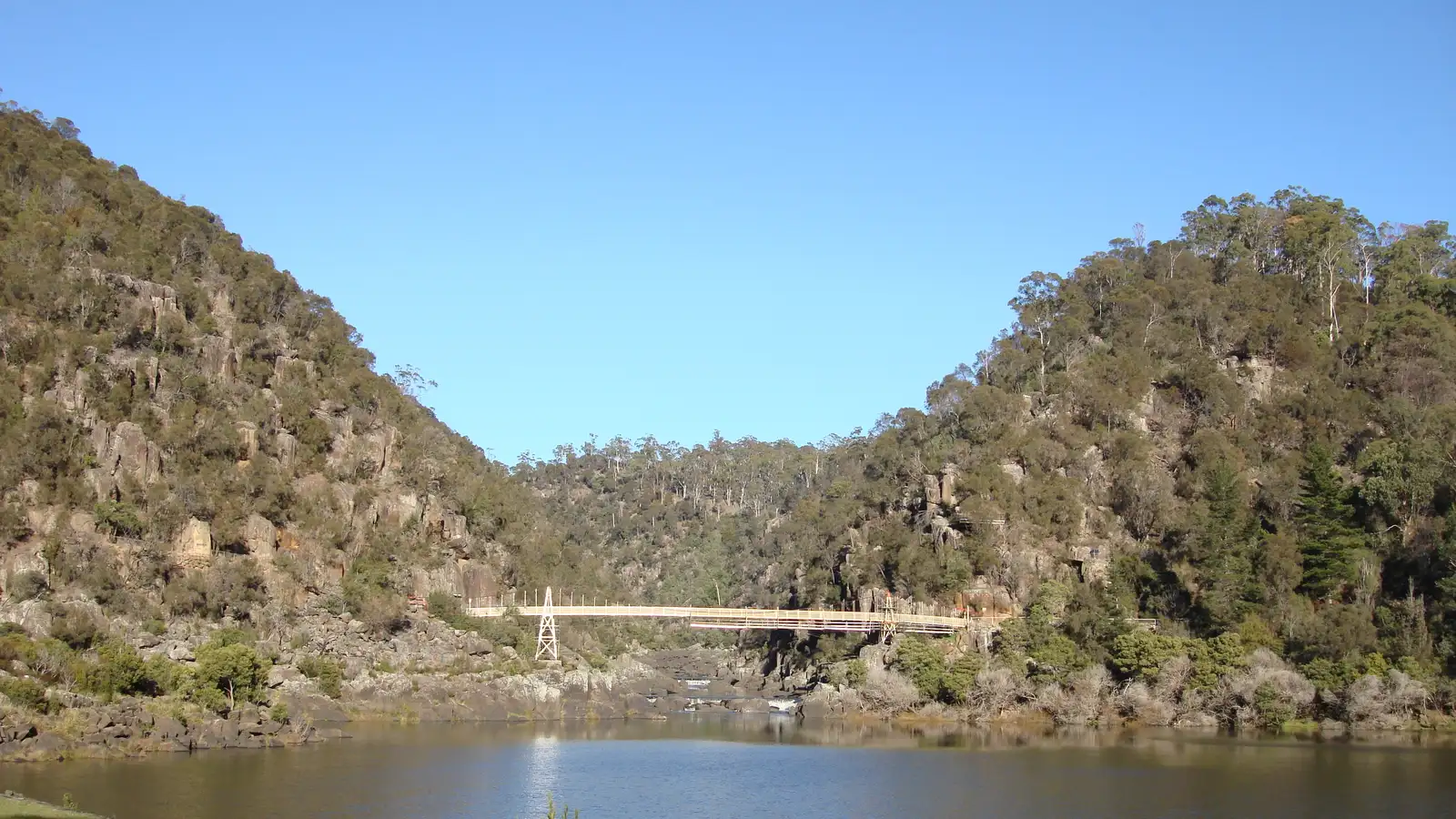
Launceston is Tasmania's second-largest city and the hub of the state's north. Around 71,000 people live in the council area. Health care is the biggest employer, anchored by the Launceston General Hospital and its $580 million redevelopment program. The University of Tasmania's $304 million Inveresk campus is complete and building toward 10,000 students by 2032. And the $130 million UTAS Stadium redevelopment is under way for Tasmania's AFL entry in 2028.
Five things that change the result on a Launceston purchase.
Regional Tasmania rose 32.4% over the past five years against 58.1% for regional Queensland. Launceston's 14.9% annual gain has come while national values have been falling since March. Rents across regional Tasmania grew 10.1% last financial year, the equal fastest in the country. Buying early in a cycle takes conviction. The data above is where ours comes from.
The north side (Mowbray, Newnham, Ravenswood, Invermay) yields 4.7-5.3% at entry prices from $442,000. The southern and riverside belt (Newstead, East Launceston, Riverside) trades from $706,000 to $945,000 at 3.2-4.5% yields. They behave differently and rent differently. Picking the wrong one for your strategy costs real money. We run every candidate through our 12-point scorecard. The full early-cycle case, suburb by suburb, sits in our Launceston market analysis.
Invermay and Inveresk sit on a floodplain protected by an upgraded levee system. The levee held in 2016 and avoided an estimated $216 million in losses. But protection is not absolute. Lenders and insurers treat levee-zone properties their own way. We know where the lines sit and factor them into every shortlist.
If you're buying from the mainland, you may never visit the property. We handle inspections, due diligence, negotiation and settlement coordination on your behalf. The fastest Launceston suburbs are selling in 9-10 days, so having someone on the ground matters.
We're not paid by developers and we don't sell house-and-land packages. Nor do we take rebates from selling agents. Your fee is the only money we receive on the purchase.
The split between Launceston's affordable north and premium south is one of the cleanest strategy choices you'll find. Yield lives in the north. Blue-chip growth lives south of the river, at prices that don't pay the rent.
These are the north-side workhorses, minutes from the city. They have the strongest combination of yield and momentum in Launceston. Newnham houses are selling in 9 days.
Launceston's most affordable houses and its highest yields, selling in 15 days. The stock is basic but the demand is real. The numbers work from day one.
The established family suburbs south of the city, with shops, schools and the tenant stability that comes with them. Kings Meadows houses sell in 12 days.
On the doorstep of the UTAS Inveresk campus and the stadium precinct, inside the levee-protected zone. The location story is hard to beat here. The flood homework is non-negotiable, and we do it.
Units in thin markets, where a handful of sales swings a suburb's median 20% and headline growth figures mean little. Flood-fringe stock bought without checking the levee mapping and how the insurer and lender treat it. And paying south-side premiums at 3.2% yields when the strategy in front of us needs cash flow to hold through the cycle.
We buy established properties only. No new builds and nothing through a project marketer, because the growth has to be plausible from today's price and the tenant has to be someone who stays. Suburb medians and growth are CoreLogic data for the 12 months to June 2026, with rents to August 2026 and yields calculated as rent x 52 / median. City growth is Cotality's index to 31 August 2026.
How It Works
Six steps, refined across 300+ purchases, and you know what is happening at each one before it happens.
The goal, the capacity, the timing and your appetite for a monthly shortfall. Launceston either fits those or it does not.
Once engaged, we work through your finances, borrowing capacity and objectives, then map them against Launceston's suburbs with yield, growth and cash flow modelling for each candidate.
We search public listings and our off-market network across Launceston and northern Tasmania. Two to four weeks in, there are normally three to five worth inspecting.
For each shortlisted property, we run full due diligence including building and pest inspections, comparable sales analysis, and rental appraisals. In Launceston that includes levee-zone mapping and insurer treatment where relevant, before you commit.
Recent sales set the ceiling, not the agent's quoted range. Some weeks that means losing one, and we are content to.
We hold the dates from acceptance through to settlement, then hand over to a property manager we have already briefed.
Typical timeline: most briefs run 6 to 12 weeks from engagement to keys, depending on how fast finance clears.
You've watched Queensland and WA run for five years. Now you want the market that hasn't run yet. Tasmania's early-cycle position is the reason Launceston is on your shortlist.
Sydney, Melbourne or Brisbane-based professionals who aren't flying to Tasmania for open homes. Inspection, verification and negotiation happen on our side. What reaches you is the data and the pictures.
You already hold mainland property and want geographic diversification in a rising market with genuine yields. You want a buyers agent who knows the north-south split cold.
You're buying in Tasmania from the mainland or overseas and need eyes on the ground you can trust. We do the whole thing remotely. It is the normal way our clients buy, not the exception.
If you are buying in a Self-Managed Super Fund or a family trust, the structure comes before the contract. Tasmania has its own bare trust requirements and we sequence them accordingly. Since 10 August 2026 an SMSF can no longer borrow to buy residential property, so a fund purchase now has to come from the balance you already hold.
You're making your first purchase and Launceston's entry prices make the maths work. We'll walk you through the process step by step, from suburb selection to settlement.
Your Buyers Agent
Founder & Principal Buyers Agent
Peter spent almost a decade in banking and finance before turning a deep interest in property and data into Australian Property Experts. That analytical background shapes everything we do.
If Peter wouldn't buy it himself, he won't recommend it to a client. He owns houses, townhouses and units across several states and has held them through a full cycle.
Cycle position is the whole story. Tasmania largely missed the mainland boom and Hobart is still 1.1% under its 2022 peak. Launceston is up 14.9% over the year to August 2026 while national values fall. That's the setup we look for.
Unlike most early-cycle markets, the demand drivers here are funded and visible. There's a $580 million hospital program, a completed university campus building toward 10,000 students and a stadium being rebuilt for AFL entry in 2028. Regional Tasmania's rents grew faster than anywhere else in the country last year, level with Darwin. North-side yields near or above 5% mean the rent covers you while the cycle does its work.
Based in Sydney, buying Australia-wide. Peter services Launceston investors remotely with on-ground inspections and local market knowledge. We coordinate everything from contract to settlement.

We charge a clear flat fee based on the scope and complexity of your purchase. No percentage-based fees and no hidden charges. Most buyers agents servicing Tasmania charge 1.0-2.5% of the purchase price. On a $600,000 Launceston house that's $6,000 to $15,000. The fee then grows with the very price we're meant to negotiate down. A flat fee removes that conflict.
Includes strategy session, property search (on and off-market), due diligence, negotiation and settlement coordination for a single residential investment property in Launceston or northern Tasmania.
SMSF, family trusts, company structures, or properties requiring development approval or subdivision analysis. The fee reflects the extra due diligence and specialist coordination required.
Custom Pricing
Buying 2-5+ investment properties across Tasmania or nationally? Volume pricing applies from the second purchase. We also sequence the searches so the equity from one funds the next.
Why flat fees? Percentage-based fees create a conflict of interest: the more you pay for a property, the more the buyers agent earns. Our flat fee structure means we're incentivised to negotiate the best price, not push you toward expensive properties. See what our clients have bought in our case studies.
Investors weighing Tasmania usually shortlist Launceston against Hobart, Devonport and Burnie. Here's our read, on Cotality's index to 31 August 2026:
Weighing up Launceston against other markets? We're an investment property buyers agent working across every Australian state. The best market at any point in time is rarely the one you live in, and the brief gets built around the numbers, not the postcode. For pricing see our buyers agent fees guide.
Background reading for any Launceston investor before booking a call.
Get Started
A 15 minute call to understand your goals, your budget, and whether Launceston is the right market for what you're trying to build.
A buyers agent is a licensed representative for the purchaser. The distinction matters most at the negotiation, where every other professional in the room is being paid by somebody else.
We search, inspect, run the building and pest and the comparables, negotiate and coordinate settlement. In Launceston that includes knowing which streets sit inside the levee-protected flood zone. It also means knowing how thin unit markets can distort headline figures. Local knowledge changes outcomes here.
Because the seller already has a professional on their side. You get local market knowledge, a negotiator who does it weekly and off-market stock. It also saves the 40 to 60 hours a properly researched purchase takes. On a purchase this size the cost of choosing the wrong property dwarfs the fee.
Launceston's dwelling values rose 14.9% in the year to August 2026 on Cotality's index, while national values fell for five consecutive months. North-side suburbs yield 4.7% to 5.3% at entry prices from $442,000. The fastest suburbs are selling in 9-10 days. Rents across regional Tasmania grew 10.1% over the financial year, equal fastest in the country with Darwin. Behind the market sits a $580 million hospital program and the completed UTAS Inveresk campus targeting 10,000 students by 2032. The $130 million stadium redevelopment is under way ahead of Tasmania's AFL entry in 2028.
The data says yes. Regional Queensland rose 58.1% over five years while regional Tasmania rose 32.4%. Hobart still sits 1.1% below its March 2022 peak. Launceston's dwelling values are now up 14.9% over the year to August 2026. Markets that sat out the last national boom and are now rising against a falling national market are exactly what early-cycle looks like. That's why Tasmania features in our current buying.
Launceston is the growth story right now: up 14.9% in the year to August 2026 against Hobart's 8.1%. Its median dwelling value is around $80,000 lower. Its northern suburbs also pay stronger yields. Hobart is the bigger, deeper market, but it's still marginally below its 2022 peak. For investors, Launceston's combination of lower entry, higher yield and faster current growth is hard to argue with, provided you buy the right streets. We work across both.